
Dirt Clicker
Advertisement
Advertisement

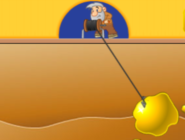
Dirt Clicker is an incremental digging game where the player starts with a spoon and a small patch of dirt. The main objective is to dig deeper, collect valuable objects, sell what is found, and use the money and resources to improve the digging process. There is no traditional story campaign with characters and missions. Instead, progression comes from discovering new underground layers, unlocking equipment, hiring workers, and finding unusual relics hidden beneath the surface.
From a Spoon to an Automated Digging Crew
At first, most progress comes from digging manually. Better tools gradually increase digging power, while hired workers can continue working automatically. Available helpers include Mushroom Buddies, Dirt Golems, Druids, and other worker types. The skill tree provides additional upgrades for tools, workers, and loot chances, allowing the player to decide whether to improve active digging or rely more heavily on automation.
The main gameplay includes:
- digging through layers of dirt;
- collecting and selling valuable objects;
- buying stronger digging tools;
- hiring workers that dig automatically;
- improving abilities through a skill tree;
- finding puzzle pieces, badges, and relics;
- using spells that affect digging;
- choosing whether to leave a layer or continue searching it.
What Is Hidden Under Each Layer
Dirt Clicker does not use traditional numbered levels. Progress is divided into underground layers, with the player moving deeper after clearing or leaving the current area. More than 40 different valuable items can be uncovered while digging. Some objects exist mainly to be sold, while puzzle pieces and relics provide additional reasons to search a layer more thoroughly before moving downward.
Deciding Where to Spend Your Resources
A large part of the game involves deciding what to upgrade next. Money can be spent on tools and workers, while the skill tree increases efficiency in different areas. Stronger workers make automation more effective, and better loot chances increase the value of objects discovered underground. Statistics also allow the player to compare worker performance and see which helpers are contributing the most.
The basic cycle continues as the player digs, sells treasure, upgrades equipment, and travels through deeper layers. Later progression adds more automation, stronger tools, additional workers, puzzles, spells, and systems such as prestige. The main challenge is therefore not combat or exploration in a traditional world, but building an increasingly efficient digging operation while continuing toward the deeper parts of the ground.
Related games













Comments
