
The Cat in the Hat Analog Horror
Advertisement
Advertisement
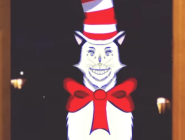
The Cat in the Hat Analog Horror is a horror game based on the analog horror interpretation of The Cat in the Hat created by Kris Archives. The story follows Emily, whose parents leave home for two nights on a business trip. While she is alone, a strange version of the Cat in the Hat appears at the house. At first, he behaves like an unusual visitor, but his games gradually become more dangerous and the house begins to change around Emily. The main objective is to survive the Cat’s increasingly hostile behavior and make it through the events connected to his arrival.
The Cat Turns Games Into Threats
Gameplay focuses on exploring the environment, listening for the Cat, and reacting to the different games and encounters he creates. Depending on the version, the Cat can appear near windows, doors, stairs, and other parts of the environment. Sound is important because footsteps, knocking, breathing, laughter, and music can warn the player that something is about to happen. Some encounters involve hide-and-seek or situations where the player must stop moving at the correct time.
The main gameplay can include:
- exploring rooms and nearby areas;
- listening for footsteps and other audio warnings;
- hiding from the Cat;
- reacting to knocking and appearances at windows or doors;
- completing games such as hide-and-seek and Freeze;
- surviving chase sequences;
- following story events that become more dangerous over time;
- completing the final trials.
Two Nights Become Increasingly Dangerous
The game does not use conventional numbered levels. Its progression follows the sequence of events during Emily’s time alone and the different encounters created by the Cat. The original analog horror story is divided into several parts, including the initial visit, Trick, and Grand Finale. As the story continues, the Cat becomes less playful and more openly threatening, while familiar parts of the house become connected to the horror.
Listening Is as Important as Looking
Survival depends on noticing signs before the Cat reaches the player. Some versions use positional audio, which makes it possible to estimate whether footsteps or breathing are coming from nearby. Attacking the Cat can also trigger a more aggressive response, including a direct chase. This means the player cannot always treat him like a normal enemy that should be confronted immediately.
The overall structure combines exploration, scripted encounters, hiding, and short survival challenges. The story is more important than collecting equipment or improving character statistics. Progress comes from surviving each new game, understanding what the Cat expects, and reaching the later trials without being caught.
Related games


Comments
